The main types of last-mile logistics
Last-mile operations vary depending on the transportation mode used upstream.
Maritime last-mile operations
For sea freight shipments, last-mile logistics begins once containers arrive at the destination port.
Operations typically include:
- Customs clearance
- Container pickup
- Drayage transportation
- Cross-docking activities
- Final distribution to warehouses or customers
Port congestion, customs delays, and appointment scheduling can significantly impact overall delivery performance.
Air freight last-mile operations
Air freight is generally used for:
- Pharmaceuticals
- Electronics
- Critical spare parts
- High-value goods
- Time-sensitive shipments
Because air transportation is designed for speed, ground operations must be highly synchronized. Any delay in customs clearance, cargo handling, or final transportation can quickly compromise delivery commitments.
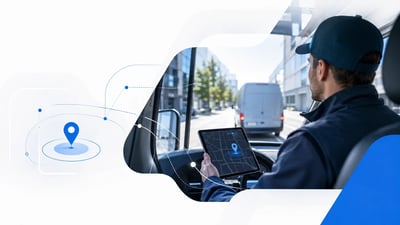
Road freight and urban distribution
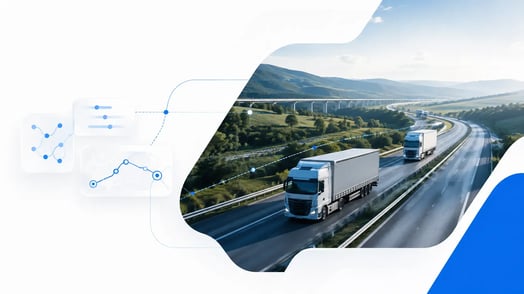
Road transportation remains the backbone of last-mile logistics.
It supports:
- Regional distribution networks
- E-commerce deliveries
- B2B deliveries
- Retail replenishment
- Urban logistics operations
This segment is particularly exposed to traffic congestion, driver shortages, and delivery restrictions in city centers.
Key challenges of last-mile logistics
Lack of visibility
One of the biggest challenges in last-mile logistics is maintaining visibility throughout the delivery process.
Without reliable shipment tracking, businesses struggle to:
- Anticipate delays
- Inform customers
- Manage exceptions
- Monitor carrier performance
Real-time visibility has become a critical requirement for both logistics teams and end customers.
Delivery failures
Missed deliveries generate additional transportation costs and negatively affect customer satisfaction.
Common causes include:
- Incorrect addresses
- Customer absence
- Access restrictions
- Communication failures
Each failed delivery often requires a second trip, increasing operational costs and carbon emissions.
Capacity constraints
Seasonal peaks, promotional campaigns, and e-commerce growth place significant pressure on transportation capacity.
Logistics teams must continuously balance:
- Delivery volumes
- Vehicle availability
- Driver capacity
- Customer expectations
Cost management
The last mile remains one of the most expensive segments of the supply chain.
Businesses are constantly looking for ways to:
- Consolidate deliveries
- Improve vehicle utilization
- Reduce empty miles
- Lower operational costs
These initiatives contribute directly to efforts aimed at reducing supply chain costs.
How to optimize last-mile logistics
Improve route planning
Efficient route design is one of the most effective ways to improve last-mile performance.
Modern route planning solutions help companies:
- Reduce travel distances
- Minimize fuel consumption
- Improve delivery reliability
- Increase driver productivity
Use route optimization software
Advanced route optimization software leverages real-time traffic information, delivery constraints, and operational data to continuously improve delivery performance.
Benefits include:
- Lower transportation costs
- Faster deliveries
- Better customer satisfaction
- Reduced environmental impact
Strengthen transportation visibility
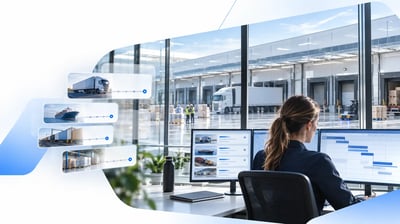
A modern transportation management system provides end-to-end visibility across transportation operations.
This allows businesses to:
- Monitor deliveries in real time
- Coordinate carriers more effectively
- Manage delivery exceptions
- Improve customer communication
Leverage multimodal transportation
Combining road transport with multimodal transport solutions can improve efficiency and sustainability.
Companies increasingly use:
- Rail transport
- Inland waterways
- Urban micro-hubs
- Cargo bikes
to reduce congestion and lower emissions.
The role of technology in last-mile logistics
Digital transformation is reshaping transportation operations.
Modern logistics platforms provide:
- Real-time tracking
- Automated notifications
- Performance analytics
- Carrier collaboration tools
- Delivery visibility
These capabilities enable logistics teams to make faster and more informed decisions.
Performance can also be monitored through dedicated supply chain dashboards, providing actionable insights into delivery operations.
How a TMS supports last-mile logistics
A modern TMS software solution helps businesses centralize and optimize transportation activities.
Key benefits include:
- Carrier management
- Delivery planning
- Transportation execution
- Real-time tracking
- Cost control
- Performance measurement
By automating manual processes and improving visibility, companies gain greater control over their delivery operations.
Last-mile logistics and e-commerce growth
The rapid expansion of e-commerce logistics has significantly increased the importance of last-mile performance.
Consumers now expect:
- Faster deliveries
- Flexible delivery windows
- Real-time tracking
- Convenient return options
Meeting these expectations requires highly efficient transportation networks and strong operational coordination.
Conclusion
Last-mile logistics has become one of the most critical stages of modern supply chains.
Although it represents only a small portion of the transportation journey, it often accounts for the highest costs and the greatest operational complexity.
Companies that invest in visibility, route optimization, carrier collaboration, and transportation technology can significantly improve customer satisfaction while reducing logistics costs.
As customer expectations continue to evolve, optimizing last-mile operations will remain a strategic priority for organizations seeking greater efficiency, resilience, and profitability.