In today's supply chains, inventory availability is a critical driver of customer satisfaction, operational efficiency, and revenue growth. Yet many companies continue to struggle with stockouts that disrupt operations, delay deliveries, and damage customer relationships.
Whether caused by inaccurate forecasting, supply chain disruptions, or poor inventory visibility, stockouts can have significant financial and operational consequences.
In this guide, we explore the causes of stockouts, their impact on business performance, and the strategies companies can implement to prevent them.
What is a stockout?
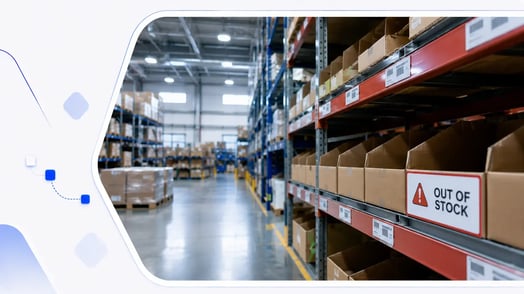
A stockout occurs when a product is unavailable when it is needed by a customer or a production process.
Stockouts can be:
- Temporary, when inventory is replenished after a short period
- Long-term or permanent, when a product is discontinued or unavailable for an extended period
Regardless of their duration, stockouts can create operational disruptions and negatively affect customer satisfaction.
One of the most effective ways to anticipate stockouts is to monitor stock coverage, which measures how long current inventory levels can satisfy expected demand.
What are the consequences of a stockout?
Stockouts affect much more than inventory levels.
Immediate sales losses
When products are unavailable, customers often purchase from competitors. Lost sales can quickly accumulate, particularly in highly competitive markets.
Reduced customer satisfaction
Customers expect products to be available when they need them. Frequent stockouts damage trust and negatively impact the customer experience.
Long-term impact on brand reputation
Repeated availability issues can weaken customer loyalty and encourage customers to switch suppliers permanently.
For many companies, the indirect costs of stockouts can exceed the immediate loss of revenue.
Common causes of stockouts
Understanding the root causes of stockouts is essential for building a more resilient supply chain.
Inaccurate demand forecasting
Poor forecasting remains one of the leading causes of stockouts.
When demand is underestimated, inventory levels become insufficient to support sales activity.
Using historical sales data, demand forecasting tools, and predictive analytics can significantly improve forecast accuracy and inventory planning.
Poor inventory management
Inventory inaccuracies, manual processes, and limited visibility can create discrepancies between physical stock and system records.
Warehouse management software and inventory control processes help reduce these risks by providing real-time inventory visibility.
Supply chain disruptions and delivery delays
Supplier delays, transportation issues, customs disruptions, weather events, and operational bottlenecks can all impact product availability.
Companies that lack visibility into inbound logistics often discover problems too late to take corrective action.
Strategies to prevent stockouts
Preventing stockouts requires a combination of accurate forecasting, inventory optimization, and supply chain visibility.
Improve forecasting accuracy
Data-driven forecasting is one of the most effective ways to reduce stockout risks.
Modern forecasting tools use:
- Historical sales data
- Seasonality trends
- Market indicators
- Customer behavior analysis
- Artificial intelligence and machine learning
These technologies help companies anticipate demand more accurately and adjust inventory levels proactively.
Maintain appropriate safety stock levels
Safety stock acts as a buffer against uncertainty.
It helps absorb fluctuations in demand and protect operations against supplier delays or transportation disruptions.
Safety stock levels should be reviewed regularly based on:
- Demand variability
- Supplier performance
- Lead time variability
- Product criticality
Optimize reorder points
The reorder point determines when a replenishment order should be placed.
A well-calculated reorder point takes into account:
- Average demand
- Supplier lead times
- Safety stock levels
Optimizing this threshold helps prevent both stockouts and excess inventory.
Strengthen supplier collaboration
Supply chain performance depends heavily on supplier reliability.
Regular communication, performance monitoring, and collaborative planning help improve visibility and reduce replenishment risks.
Sharing forecasts and inventory information with suppliers can significantly improve supply chain responsiveness.
Improve inventory visibility
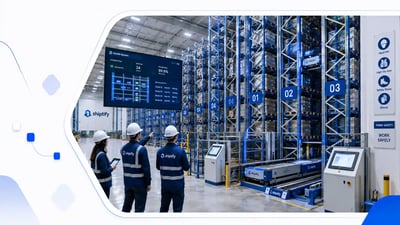
Real-time inventory visibility enables companies to react quickly when risks emerge.
Modern WMS solutions, inventory management platforms, and analytics tools provide:
- Real-time stock levels
- Inventory movement tracking
- Exception management
- Automated alerts
This visibility allows supply chain teams to identify potential stockouts before they occur.
The role of inventory management methods
Several inventory control methods can help reduce stockout risks.
Cycle counting
Regular cycle counts improve inventory accuracy without disrupting warehouse operations.
By continuously validating inventory records, companies can identify discrepancies before they create operational issues.
Perpetual inventory management
Perpetual inventory systems update stock levels automatically after each transaction.
This provides continuous visibility into inventory positions and improves decision-making.
Together, these methods help maintain reliable inventory data and support proactive replenishment strategies.
How Shiptidock helps reduce stockout risks
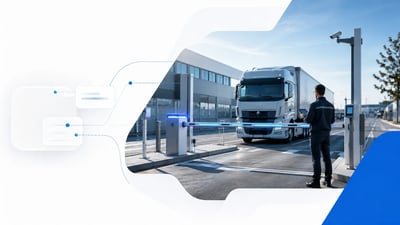
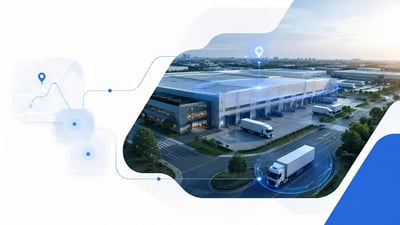
While stockouts are often associated with inventory management, inbound logistics performance also plays a critical role.
A product cannot be available if incoming deliveries are delayed, poorly coordinated, or lack visibility.
This is where dock scheduling software and warehouse appointment management become important.
With Shiptidock, companies can improve inbound flow visibility by:
- Scheduling deliveries more efficiently
- Coordinating appointments with carriers
- Anticipating warehouse workloads
- Reducing receiving delays
- Improving visibility into incoming inventory
Better control over receiving operations allows warehouse teams to plan replenishment activities more effectively and reduce the risk of inventory shortages caused by inbound disruptions.
As Philippe Jerphagnon, Logistics Warehouse Manager at EURÉA, explains:
"Today we have 48-hour visibility into the schedule. Two days in advance, I have an 80% forecast of receiving activity. This allows us to organize ourselves much better."
Greater visibility into inbound operations ultimately contributes to more reliable inventory availability.
Building a resilient supply chain
Preventing stockouts is not simply a matter of carrying more inventory.
The most successful organizations combine:
- Accurate demand forecasting
- Optimized safety stock policies
- Efficient replenishment processes
- Strong supplier relationships
- Real-time inventory visibility
- Better coordination of inbound logistics
Together, these practices create a more resilient and responsive supply chain.
They also contribute to broader supply chain optimization by improving availability, reducing emergency costs, and strengthening operational reliability.
Conclusion
Stockouts can significantly impact revenue, customer satisfaction, and operational performance. However, they are often preventable through better planning, improved visibility, and stronger supply chain coordination.
By combining accurate forecasting, optimized inventory management, and enhanced control of inbound logistics, companies can reduce stockout risks and maintain higher service levels.
Solutions such as Shiptidock help strengthen supply chain visibility by improving delivery scheduling and warehouse coordination, enabling organizations to better anticipate inventory needs and ensure product availability.
In an increasingly competitive market, reducing stockouts is no longer simply an inventory objective it is a strategic priority.